Laproscopic Hiatus Hernia
Our Surgical Services
- Gall Bladder Stone Surgery
- Appendix Surgery
- Hernia Surgery
- Laser Piles Treatment
- Laser Fissure Treatment
- Laser Fistula Treatment
- Breast & Thyroid Surgery
- Gastro Intestinal Surgery
- Minimal Access Surgery
- Hydrocele Surgery
- Peptic Ulcer Disease
- Diabetic Foot Treatment
- Cancer Surgery
- Lipoma Surgery
- Pilonidal Sinus Surgery
- Sebaceous Cyst Surgery
- Breast Lump Surgery
- Laproscopic Hiatus Hernia
- Diaphragmatic Hernia Repair

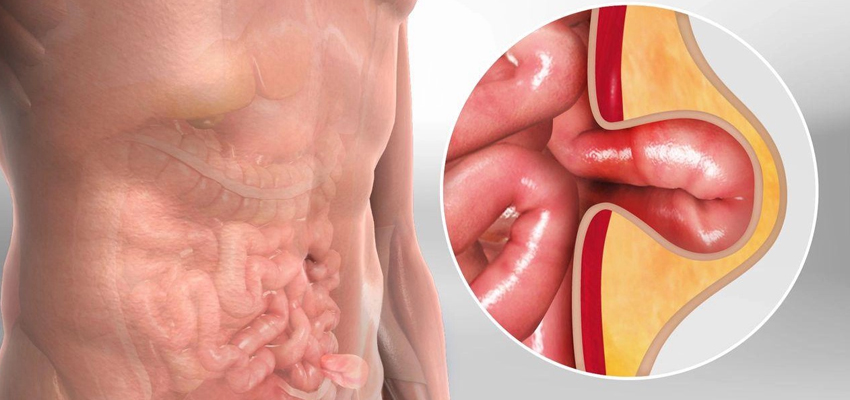
Laproscopic Hiatus Hernia
A hiatus hernia occurs when part of the stomach pushes up through the diaphragm into the chest cavity through an opening called the hiatus. Laparoscopic repair is a minimally invasive surgical approach that corrects this condition effectively, relieving symptoms such as chronic acid reflux, heartburn, and difficulty swallowing.
What Is a Hiatus Hernia?
The diaphragm is a muscular wall separating the chest from the abdomen. The hiatus is a small opening in the diaphragm through which the food pipe (oesophagus) passes. When the stomach bulges upward through this opening, it is called a hiatus hernia. It is broadly classified into sliding hiatus hernia and para-oesophageal (rolling) hiatus hernia.
Common Symptoms
- Persistent heartburn and acid reflux (GERD)
- Difficulty swallowing (dysphagia)
- Chest pain or discomfort
- Regurgitation of food or liquid
- Shortness of breath
- Belching and bloating
- Nausea and vomiting
Laparoscopic Hiatus Hernia Repair
Laparoscopic (keyhole) surgery is the preferred approach for hiatus hernia repair. The surgeon makes small incisions in the abdomen, inserts a camera and instruments, and gently pulls the stomach back into its correct position. The hiatus opening is then tightened with sutures, and a fundoplication procedure (wrapping the top of the stomach around the lower oesophagus) is often performed to prevent acid reflux.
Benefits of Laparoscopic Repair
- Minimally invasive with small incisions
- Reduced postoperative pain
- Shorter hospital stay
- Faster return to daily activities
- Minimal scarring
- Lower risk of complications compared to open surgery
Conditions Treated
- Sliding hiatus hernia
- Para-oesophageal (rolling) hiatus hernia
- Gastro-oesophageal reflux disease (GERD) associated with hiatus hernia
- Large hiatus hernias causing respiratory symptoms
- Recurrent hiatus hernia after previous repair
Why Choose Us?
- Experienced laparoscopic surgical team
- Advanced minimally invasive techniques
- Personalised treatment planning
- Modern surgical infrastructure
- Comprehensive pre and post-operative care
Post Surgery Recovery
Most patients are discharged within 1–2 days after laparoscopic hiatus hernia repair. A soft diet is recommended for a few weeks following surgery. Patients can typically resume light activities within a week and return to full normal activity within 2–4 weeks. Regular follow-up ensures optimal healing and symptom relief.
Book Your Consultation
If you are experiencing persistent heartburn, acid reflux, or difficulty swallowing, consult our expert Gastro & Laparoscopic Surgeon for a thorough evaluation and advanced treatment. Early intervention prevents complications and significantly improves quality of life.