Diaphragmatic Hernia Repair
Our Surgical Services
- Gall Bladder Stone Surgery
- Appendix Surgery
- Hernia Surgery
- Laser Piles Treatment
- Laser Fissure Treatment
- Laser Fistula Treatment
- Breast & Thyroid Surgery
- Gastro Intestinal Surgery
- Minimal Access Surgery
- Hydrocele Surgery
- Peptic Ulcer Disease
- Diabetic Foot Treatment
- Cancer Surgery
- Lipoma Surgery
- Pilonidal Sinus Surgery
- Sebaceous Cyst Surgery
- Breast Lump Surgery
- Laproscopic Hiatus Hernia
- Diaphragmatic Hernia Repair

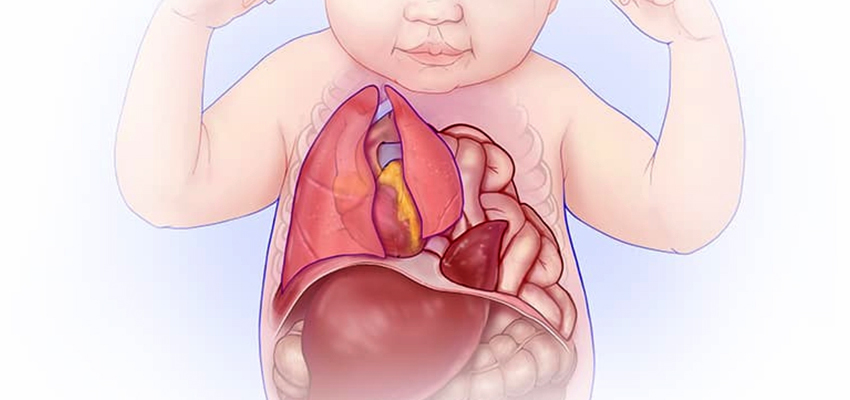
Diaphragmatic Hernia Repair
A diaphragmatic hernia is a defect or hole in the diaphragm that allows abdominal organs such as the stomach, intestines, or liver to move into the chest cavity. Surgical repair is essential to restore normal anatomy, protect lung function, and prevent life-threatening complications. Laparoscopic repair offers a safe, minimally invasive solution with excellent outcomes.
What Is a Diaphragmatic Hernia?
The diaphragm is the dome-shaped muscle that separates the chest cavity from the abdominal cavity and plays a vital role in breathing. A diaphragmatic hernia occurs when there is an abnormal opening or weakness in the diaphragm, allowing abdominal contents to herniate into the thoracic cavity. It can be congenital (present at birth) or acquired (due to trauma or previous surgery).
Common Symptoms
- Shortness of breath and breathing difficulty
- Chest pain or tightness
- Persistent heartburn and acid reflux
- Difficulty swallowing
- Nausea and vomiting
- Reduced exercise tolerance
- Recurrent chest infections
Diaphragmatic Hernia Repair Procedure
Surgical repair involves returning the herniated organs to their correct position in the abdomen and closing the defect in the diaphragm. Laparoscopic repair is performed through small keyhole incisions using a camera and specialised instruments. In cases of large defects, a surgical mesh may be used to reinforce the repair and reduce the risk of recurrence.
Benefits of Laparoscopic Repair
- Minimally invasive approach with small incisions
- Less postoperative pain and discomfort
- Shorter hospital stay
- Faster recovery and return to normal activities
- Reduced risk of wound complications
- Minimal scarring
Conditions Treated
- Acquired diaphragmatic hernia (post-traumatic)
- Congenital diaphragmatic hernia (in eligible patients)
- Morgagni hernia (anterior diaphragmatic defect)
- Bochdalek hernia (posterolateral diaphragmatic defect)
- Recurrent diaphragmatic hernia after previous repair
Why Choose Us?
- Skilled laparoscopic and thoracoscopic surgical expertise
- Individualised treatment plans for each patient
- State-of-the-art surgical facilities
- Multidisciplinary team approach
- Dedicated pre and post-operative support
Post Surgery Recovery
Recovery after laparoscopic diaphragmatic hernia repair is generally smooth. Most patients are hospitalised for 2–3 days and can resume light activities within 1–2 weeks. A gradual return to full activity is advised over 4–6 weeks. Follow-up appointments and imaging help confirm successful repair and monitor recovery progress.
Book Your Consultation
If you are experiencing breathing difficulties, chest pain, or symptoms suggestive of a diaphragmatic hernia, consult our expert Gastro & Laparoscopic Surgeon for a comprehensive evaluation and advanced surgical care. Timely treatment is key to preventing serious complications.